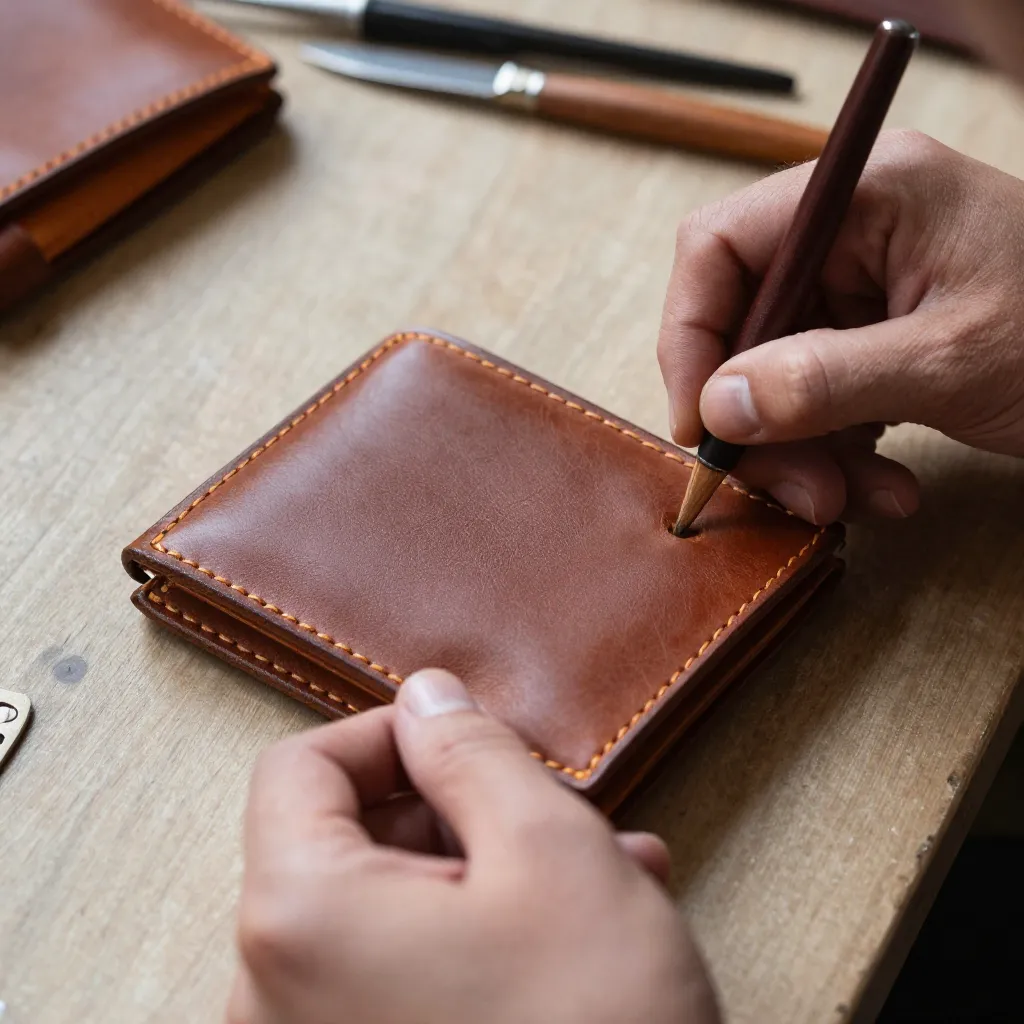
Aging Simulation
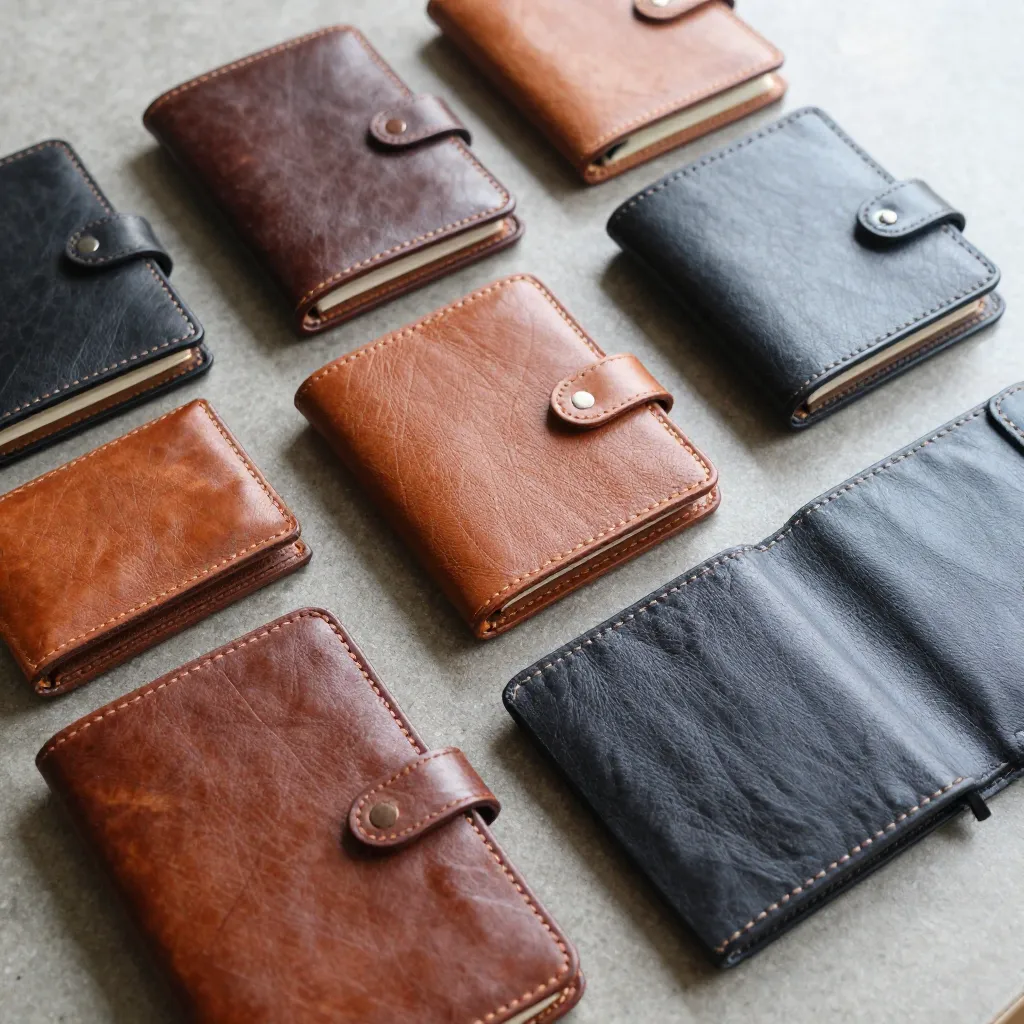
Day Zero
Initial state: fresh leather displays uniform color and smooth surface texture. The material shows minimal surface variation, with natural grain patterns visible but undeveloped. Surface characteristics are consistent across the material.
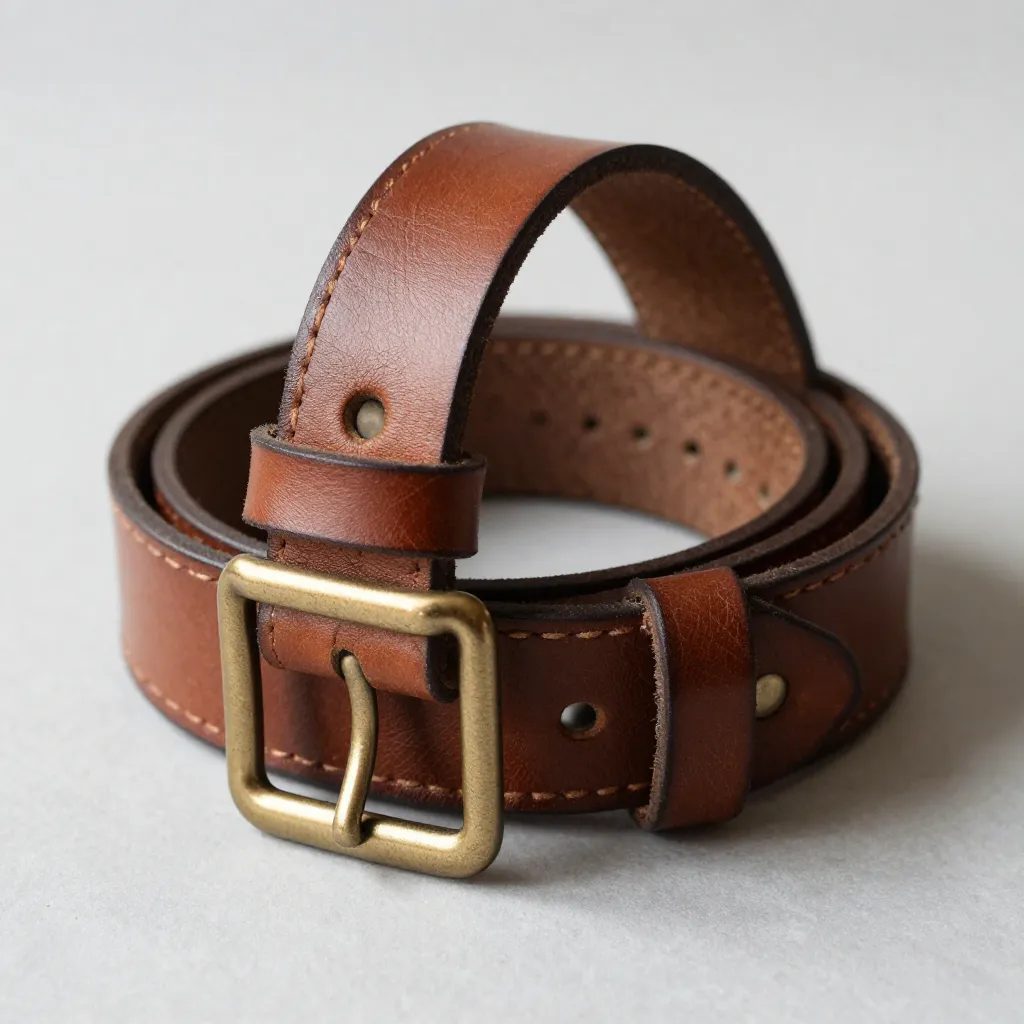
Year Ten
Mature state: leather develops rich patina through natural aging processes. Color deepens, surface texture evolves, and creasing patterns form based on usage. The material gains distinctive character unique to its usage history.
Transformation Phases
Initial Phase
First six months: surface begins to show subtle color variations. Natural oils from handling start to interact with the material, creating initial gloss development in high-contact areas.
Development Phase
Six months to three years: creasing patterns establish based on flex points. Color deepening becomes more pronounced, and surface texture begins to show individual character through use patterns.
Maturation Phase
Three to ten years: patina reaches full development. Color variations become rich and complex, surface texture shows significant character, and the material displays unique aging characteristics.
Patina Formation Factors
Light Exposure
Natural and artificial light sources contribute to color evolution. UV exposure accelerates patina development while creating distinctive color shifts in exposed areas.
Handling Frequency
Regular handling introduces natural oils and creates friction patterns. High-contact areas develop gloss and color deepening more rapidly than protected surfaces.
Environmental Conditions
Temperature, humidity, and air quality influence aging rates. Consistent moderate conditions support gradual, even patina development across the material surface.
Usage Patterns
Flex points and stress areas develop distinctive creasing patterns. These patterns become permanent features that reflect the product's individual usage history.
Surface Evolution
Color Deepening
Natural aging processes cause gradual color intensification. The material transitions from initial uniform tones to rich, varied coloration that reflects light exposure and handling patterns.
Patina Glow
Mature patina develops a distinctive surface sheen in high-contact areas. This gloss effect results from natural oil interaction and repeated handling, creating visual depth and character.